On one hand a 500-ton asteroid is way too small to make a difference if the smelted iron and nickel could be safely landed on Earth. Nickel ore is quoted at about 30 USD per ton in Indonesia, so the asteroid's material might only be worth 15,000 USD on the Earth's surface.
But on the other hand, the smelted ore is much more valuable if used for earth-orbit construction, especially high orbit construction. SpaceX charges about 2,000,000 USD per ton to launch a payload into low earth orbit. The cost to put 500 tons of ore into space from earth would thus be 1 billion USD. By comparision, the mass of the International Space Station is about 500 tons.
This rough analysis shows that the most cost-effective mission would be the construction of large space facilities using material smelted from a well-chosen asteroid.
Excuse my ignorance here, but wouldn't the easiest solution of all just be both mining minerals and performing construction on the moon? Once you are established there, you pretty much have the space construction port you're looking for, do you not?
Low earth orbit might be where the investors are interested in. If so, it has been proposed for decades that an electric mass driver be constructed on the Moon for delivery of lunar ores to Earth orbit - or to a nearby Lagrange point.
A lunar base would be very expensive in terms of initial construction because it costs so much to climb from the Earth's surface through the Earth's gravity well, and then to descend safely on to the Moon's surface.
An interesting solution that I've followed has been the proposal to send tiny self-replicating robots to the Moon and have them construct everything else from Lunar materials. See for example: http://www.islandone.org/MMSG/aasm/
This good idea was most recently promoted by Newt Gingrich during his US presidential primary campaign. My own opinion is that private investment, not government money, should be used for space-based economic projects.
Several near-earth asteroids can be travelled to at a delta-vee lower than going to the Moon. Remember that the Moon still has a gravity and no atmosphere, so actually landing still takes a lot of energy. An asteroid on the other hand has no gravity (at this scale) and may swing by closer than the Moon does.
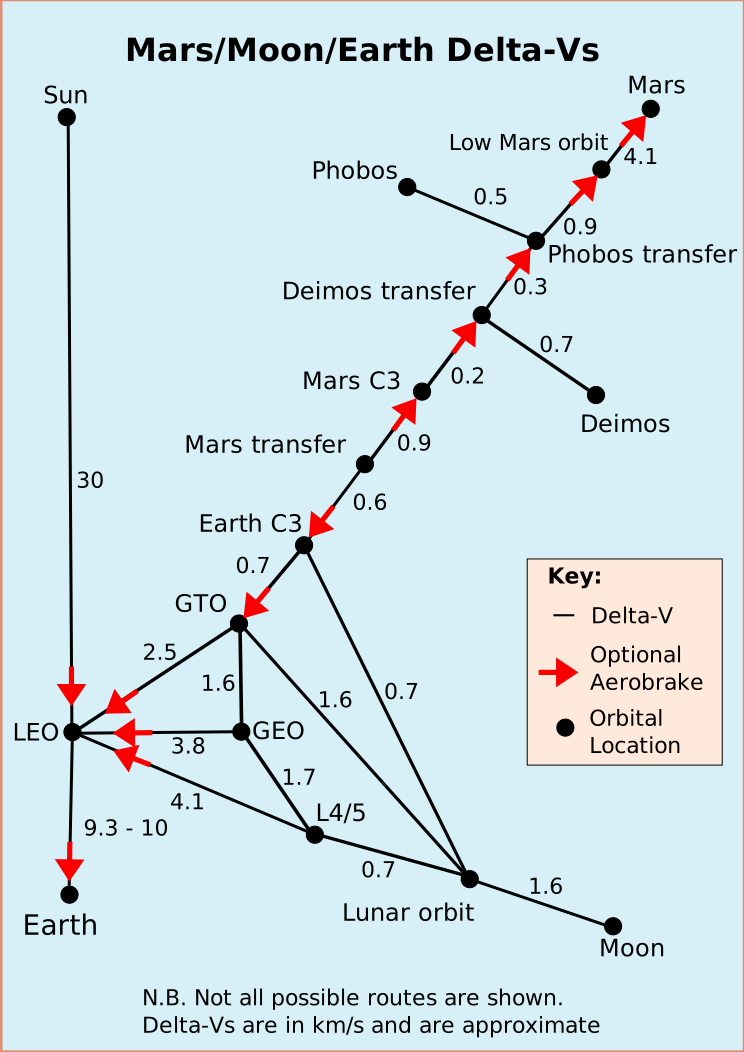
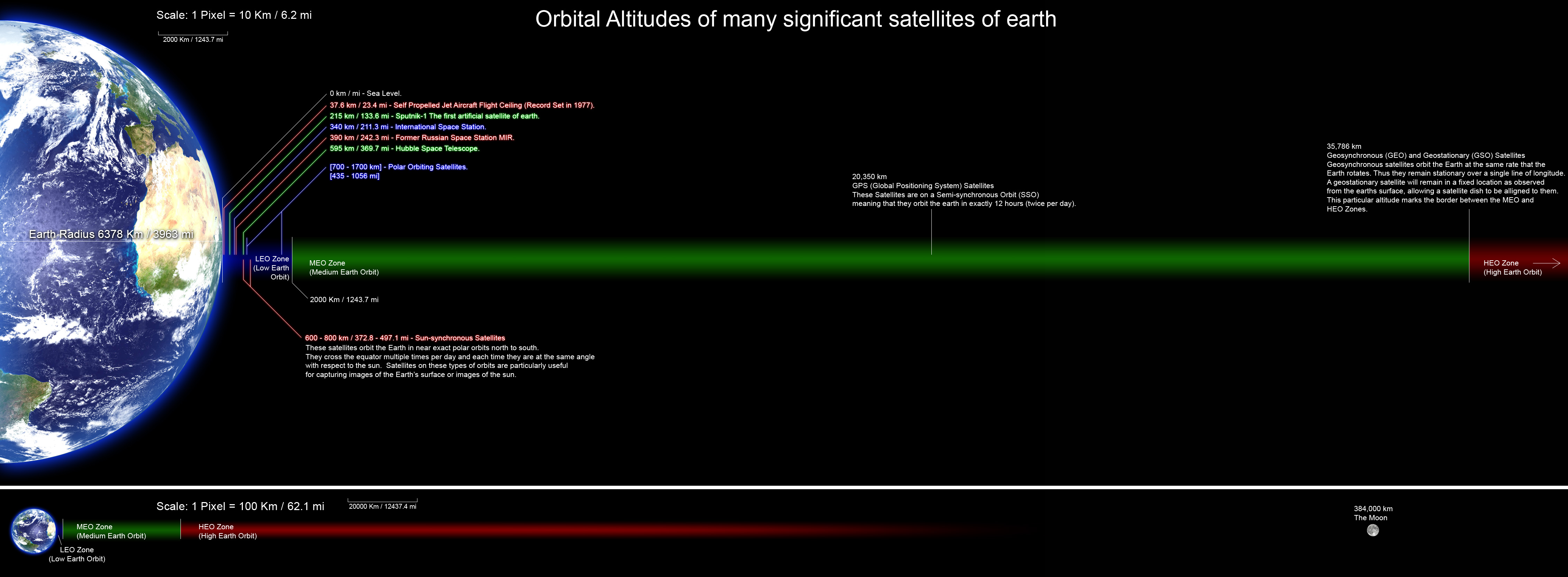
Not actually true. You're correct that it is cheaper to get from earth to low earth orbit (LEO) than to the moon. However it is cheaper to get to LEO from the moon than from earth. This has nothing to do with altitude; it's a function of the delta-v budget -- or the amount of momentum change that is required to get from one place to another:
As you can see, getting from earth to LEO requires 9.3-10 km/s of dv, depending on the type of rocket you are using. All of this must be high-thrust propulsion, otherwise you'll immediately fall back to earth. 9.3-10 km/s of high-thrust propulsion is indeed quite costly to implement.
On the other hand, to go from the lunar surface to LEO is only 5.5 km/s of dv -- and only 1.6 km/s of this (the trip from the lunar surface to lunar orbit) needs to be under high thrust. The rest of the dv can be done with relatively inexpensive low-thrust techniques which require little or even no propellants -- such as ion propulsion, solar sails, and aerocapture.
So to a rough order of magnitude, it's 2-6 times cheaper to get to LEO from the moon than from the earth.
Edit: miscalculated the lunar surface->LEO dv requirement.
I know nothing, but I would think gravity smelting and related operations would be much more technically difficult and risky than gravity based operations on the moon.
Regolite, the material of the moon's surface is a lot of pain. It's like sand, except with razor-sharp edges and it's much finer. It gets everywhere and destroys everything -- think about how much maintenace a car on a desert needs and multiply it by a big number. That's how bad it is.
Maybe that method of construction where you heat up the ore with mirrors, then blow air into it to inflate it, then let it cool would be easier, given how little industry we have in space at the moment.
Anyways, I think its good that we're starting with something 500 tons. Big enough to be interesting, not big enough to cause a huge catastrophe if it ends up colliding with Earth. When we're better at it we can go for larger asteroids.
I think the only real investment proposition here is to build and develop institutional knowledge and technology know-how so that at such a time that it is profitable and practical to extract resources however they may be extracted, that knowledge is worth the billions they spent on acquiring it (plus ~4% annual real opportunity costs, plus risk exposure).


But on the other hand, the smelted ore is much more valuable if used for earth-orbit construction, especially high orbit construction. SpaceX charges about 2,000,000 USD per ton to launch a payload into low earth orbit. The cost to put 500 tons of ore into space from earth would thus be 1 billion USD. By comparision, the mass of the International Space Station is about 500 tons.
This rough analysis shows that the most cost-effective mission would be the construction of large space facilities using material smelted from a well-chosen asteroid.
Maybe the investors have in mind something like the Stanford Torus: http://en.wikipedia.org/wiki/Stanford_torus